Daily Vitamins
Vitamin D and Magnesium: Observations from a Six-Week Daily Stack
Marcus Chen·
·
9 min read
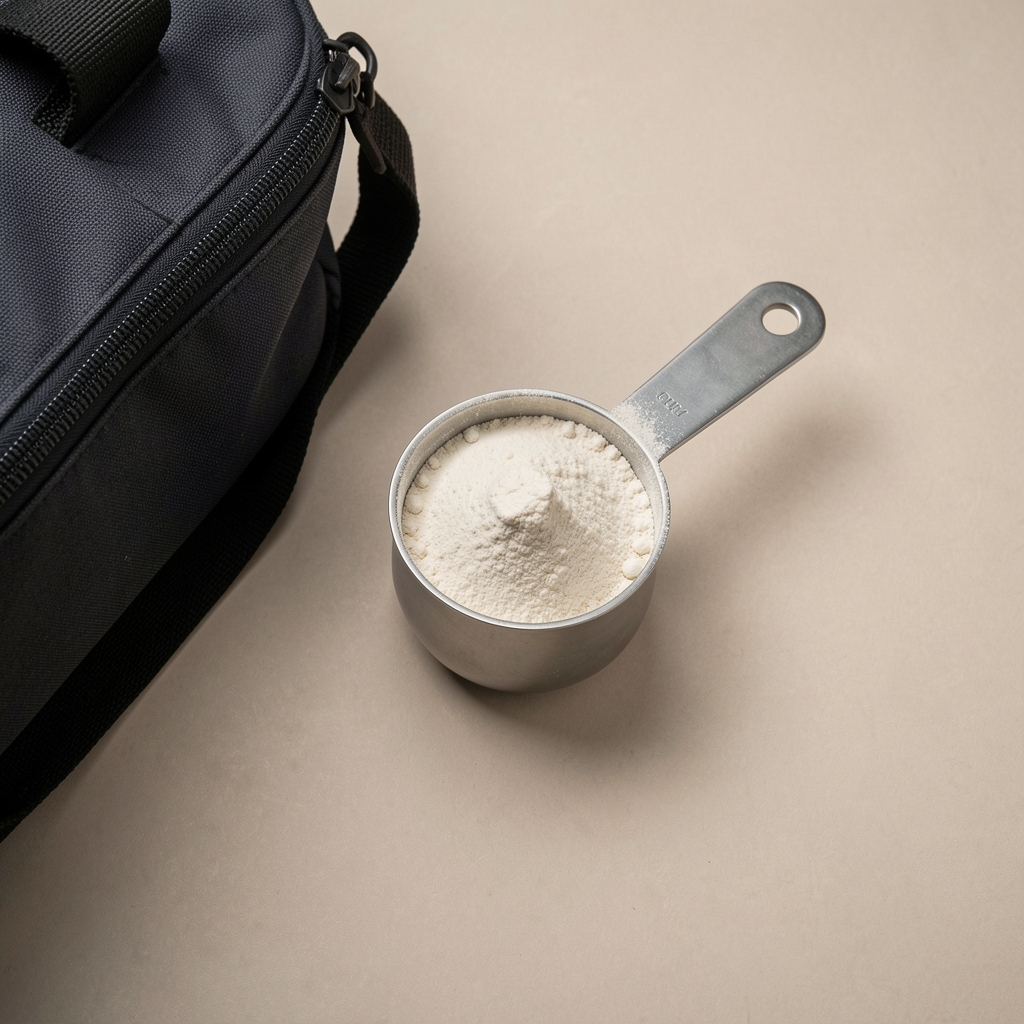
Few compounds in men's supplement discussions have accumulated a more consistent body of nutritional literature than creatine. The following editorial survey draws from published research to record what is actually observed about creatine's relationship with physical output — without the promotional framing that typically surrounds this particular supplement.
Creatine is among the most frequently researched compounds in the nutritional science literature as it relates to men's physical activity. The volume of published research is, in itself, a notable fact: few non-essential nutrients have attracted comparable editorial attention across exercise physiology journals, nutritional biochemistry publications, and independent wellness literature over the past three decades.
What the published record consistently notes is creatine's relationship with phosphocreatine stores in skeletal muscle — specifically, the way in which supplemental creatine intake over time supports physical output in resistance training contexts. This is not a fringe finding. It is one of the more consistent observations across the nutritional literature, replicated across multiple independent research bodies over an extended period.
It is worth establishing, at the outset of this editorial review, what the research does not consistently show. Creatine is not a shortcut to physical capacity. The published literature situates it as a supplement that supports physical output over time in resistance training routines — not as an agent that bypasses the foundational requirements of consistent training, adequate rest, and whole-food nutritional variety.
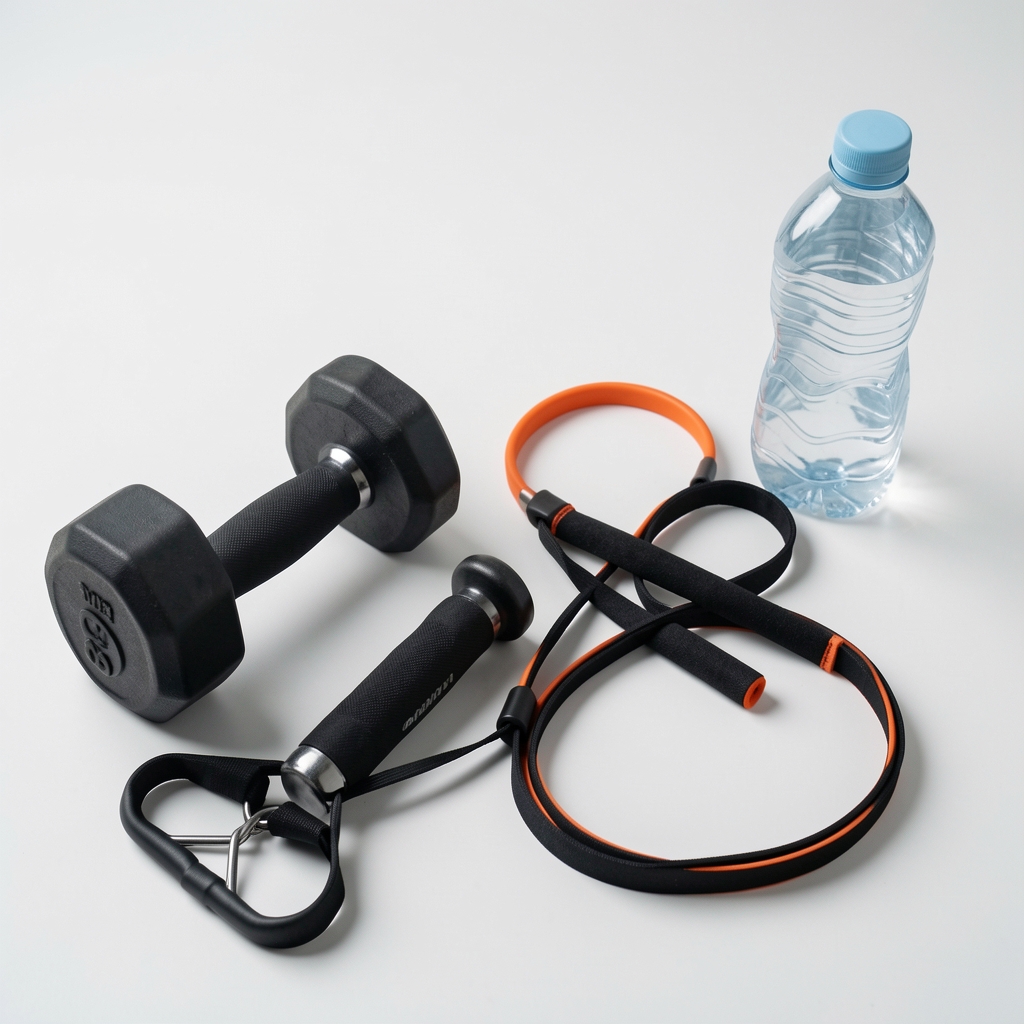
The nutritional logic behind creatine supplementation in an active men's routine is relatively straightforward when read from the published literature. Resistance training routines — characterised by repeated short, high-effort physical actions — draw on the phosphocreatine energy pathway. Supplemental creatine, maintained at consistent daily intake, contributes to the daily nutritional context in which that energy pathway functions.
The editorial framing of creatine in men's supplement publications has, historically, oscillated between exaggeration and dismissal. A more considered reading of the published literature positions creatine as what it is: a well-documented nutritional compound whose contribution to physical output is genuine, moderate in magnitude, and dependent on the consistency of use rather than any single intake event.
For men engaged in regular resistance training, the published evidence suggests that daily creatine supplementation — maintained over weeks rather than days — represents one of the more evidence-informed choices in a supplement routine. The observation is not that creatine produces dramatic results. It is that the published record on creatine is more consistent than the record on most other compounds discussed in men's supplement contexts.
"The story of creatine in nutritional publishing is one of gradual legitimation — a compound that moved from the margins of sport supplementation to the centre of evidence-informed discussion over the course of a generation of published research."
Adrian Fraser — Editorial Note, February 2026
Men who maintain a multi-compound supplement routine frequently encounter the question of where creatine fits relative to other daily compounds. The published literature does not record significant interactions between creatine and the most common companion supplements — protein, B vitamins, vitamin D, magnesium, omega-3. Each functions within its own nutritional pathway.
From a supplement stacking perspective, creatine occupies a distinct role: it is primarily relevant to physical output in resistance training contexts, not to the broader nutritional support patterns that compounds like vitamin D, magnesium, or omega-3 are associated with. Men whose routines include regular gym sessions and whose nutritional goals include supporting physical output over time will find the published case for creatine among the most straightforward in the supplement literature.
Men whose routines do not include regular resistance training will find less in the published literature to support creatine's inclusion in their daily supplement habit. The published evidence is specific to that training context — which is an unusual degree of specificity in nutritional supplement research and, itself, an informative data point.

A common pairing in men's supplement editorial writing is creatine alongside protein supplementation. The two are frequently discussed together, and it is worth separating their roles for editorial clarity. Protein powder supports daily protein intake targets alongside whole foods — it is a nutritional convenience rather than a performance compound in the manner that creatine is. The two serve different functions within a men's nutritional daily routine.
Where the published literature supports both in a men's active routine, it does so on independent grounds. Protein supplementation is relevant to overall daily protein intake in men whose whole-food diet does not reliably meet target ranges. Creatine is relevant to physical output in resistance training contexts. A man whose diet already provides adequate protein but who trains regularly with weights will find the evidence base for creatine more directly relevant than additional protein supplementation. The inverse is equally true.
The editorial takeaway from reviewing the published nutritional literature on these two compounds is that individualised context matters considerably. The published research does not support a one-size approach to supplement stacking. It does support the value of identifying which compounds are most relevant to the specific combination of training habits, dietary patterns, and daily routines that characterise an individual's context.
Creatine occupies an unusual position in the men's supplement landscape: it is a compound with a genuinely strong and consistent published evidence base, surrounded by a promotional culture that frequently overstates its effects and undersells the contextual requirements of that evidence. A careful reading of the published nutritional literature produces a more moderate but more durable conclusion.
For men engaged in regular resistance training as part of a consistent active routine, daily creatine supplementation represents one of the most evidence-informed choices available in the supplement category. The effect is genuine, moderate, and cumulative — properties that are, in the longer editorial view, exactly what a well-considered supplement habit should produce.
Content published by Atemi Letters is selected based on published nutritional research and reviewed for editorial accuracy by a second editor before publication. Articles are editorial in nature and reflect the writers' observations on everyday supplementation habits and nutritional awareness for active men. The content is not intended as professional advice. Readers with specific concerns about their daily routines are encouraged to speak with a qualified wellness professional.

Adrian Fraser is a contributing editor at Atemi Letters, specialising in active lifestyle supplementation and the intersection of resistance training habits with evidence-informed nutritional routines. He contributes regularly to the publication's active nutrition section.
More about the publicationAn independent editorial record of men's supplementation habits, nutritional awareness, and active lifestyle routines.